


Add one more worry for James City County supervisors to consider when approving new development.
In addition to stormwater runoff, which spills sewage on extraordinarily rainy days, the state Department of Environmental Quality has issued a report that in a worst-case scenario may limit how much drinking water the county can draw from groundwater.
The department report on groundwater in Eastern Virginia, discussed in a Williamsburg Watch opinion piece by contributor Tommy Turner this week, casts doubts on the region’s efforts to add water to the underground Potomac Aquifer that provides the county’s drinking water.
That could create an issue when the county’s permit to withdraw groundwater comes up for renewal next February, says Douglas Powell, the general manager of the county water and sewer utility, the James City Service Authority.
“The way I interpret it is...there’s really limited, limited growth potential for the James City Service Authority to withdraw any more groundwater if these recommendations are approved,” Powell told the county Board of Supervisors, meeting Tuesday in their dual role as directors of the JCSA.
At issue is the state agency’s skepticism that a plan to add water back into the aquifer, known as SWIFT, could work reliably.
The program, an acronym for Sustainable Water Initiative for Tomorrow, would use wastewater that has been treated to drinking water standards and inject it into back into the Potomac Aquifer, Powell told Williamsburg Watch. Right now that water is pumped into the James River and other waterways.
The groundwater issue capped a lengthy presentation Tuesday about the county’s stormwater management issues and what it is doing to resolve it in partnership with the Hampton Roads Sanitation District.
The two work together: JCSA sewers collect wastewater and send it to HRSD, a regional agency that takes the wastewater for treatment at its Williamsburg facility on the James River adjacent to Carters Grove plantation.
A consultant’s study last year warned the county that continued housing growth, particularly in the northern end of the county, “will place additional strain on the wastewater collection system and is expected to result in more sanitary sewer overflows,” Powell told the supervisors.
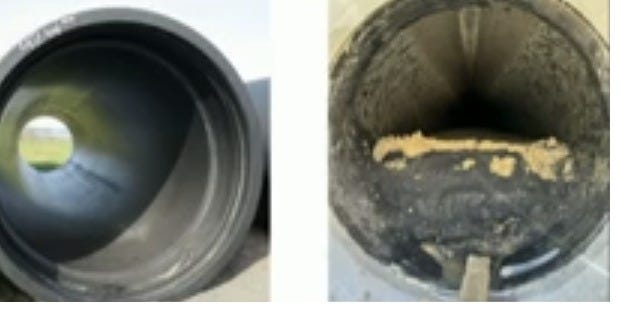
Over the years, sewers get clogged with grit and debris, rendering them less effective. That can create sewage spills when a large rain event raises water pressure beyond what the system can handle, officials explained.
The regional agency and Hampton Roads localities have been operating for two decades under a consent order from the Environmental Protection Agency over wastewater capacity, which led to a regional wet weather management plan, according to Powell.
HRSD is planning to spend $43 million to $70 million to deal with some of those issues, HRSD Chief of Planning and Analysis John J. Dano told the board. JCSA will be spending another $14.5 million over the next five years to address parts of the problem, Powell added.
The regional agency and JCSA now share data that helps them see where problems are developing, and will implement controls that allow the system to better control the increased water pressure that occurs during major rain events.
HRSD said its solutions may include building water storage tanks near Ford’s Colony and Williamsburg Crossing near Rt. 199 and Jamestown Road. The tanks would store millions of gallons of water during rain events and gradually release it back into the system, Dano said.
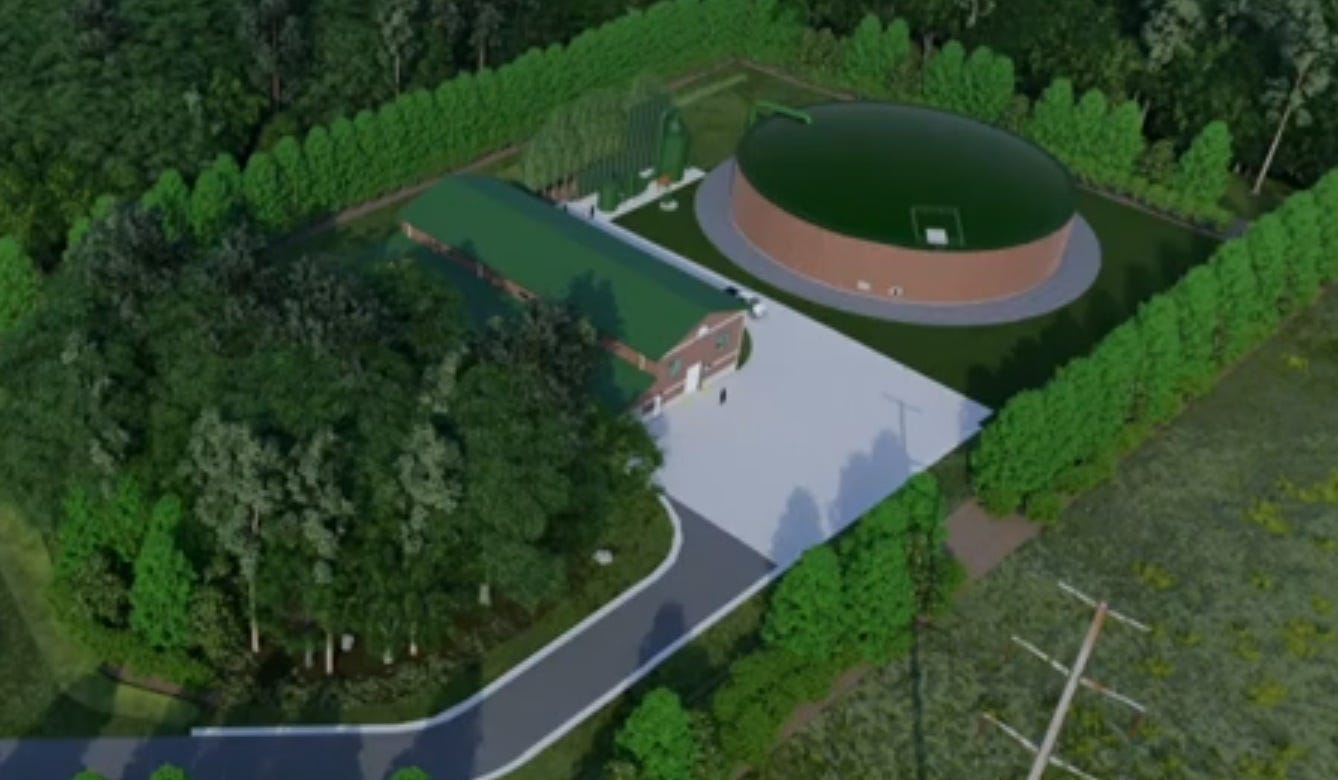
That work, he added, will require help from the county in getting land and the necessary permits.
Powell told us the county’s current groundwater withdrawal permit allows James City to withdraw up to 8.4 million gallons of water a day. Its average use right now is 5.5 million gallons a day, “but I don’t know what the next permit is going to say.”
Powell said he will have an indication of what the state environmental department will decide by the end of the year.